
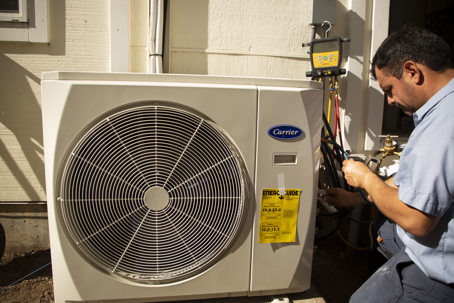
When your El Cerrito home feels chilly during the cooler months, it is easy to assume the heating system is the problem. You might turn up the thermostat, run the furnace longer, or wonder whether it is finally time to replace your heating equipment. But sometimes the issue is not how much heat your system produces. It is how well your home holds onto that heat.
Drafty windows, gaps around doors, openings in walls, and other areas of unwanted air leakage can make it more difficult to maintain a comfortable indoor temperature. Even a properly operating heating system may have to work harder when conditioned air leaks and outdoor air seeps in.
This is why looking at your home as a whole can be important when addressing heating and comfort concerns. Your HVAC equipment, insulation, air sealing, windows, ductwork, and other components all influence how your home performs.
For El Cerrito homeowners dealing with cold rooms, noticeable drafts, or inconsistent temperatures, identifying where your home is losing conditioned air can be an important first step.
How Drafty Windows Affect Home Comfort
Windows are one place where homeowners may notice unwanted outdoor air entering the home. You might feel a cool stream of air near a window on a chilly evening, notice curtains moving slightly, or find that a room near certain windows never seems as comfortable as the rest of the house.
A small draft may not seem significant by itself. However, several areas of air leakage throughout a home can add up.
When heated indoor air escapes, your heating system has to continue supplying conditioned air to maintain the temperature set on your thermostat. At the same time, colder outdoor air can enter through gaps and openings. The result may be a home that takes longer to warm up or feels unevenly heated.
This does not necessarily mean that your windows need to be replaced. Depending on your home's condition and construction, other areas may be contributing to the problem. A home performance assessment can help identify where unwanted air movement is occurring before you invest in a major upgrade.
Air Sealing Is About More Than Windows
Air sealing is sometimes confused with insulation, but the two address different problems.
Insulation helps slow the transfer of heat through parts of your home’s structure. Air sealing addresses openings that allow air to move between the inside and outside of the home.
Those openings can occur in places that are not obvious from the living space. Gaps around plumbing, electrical penetrations, framing, ceilings, floors, and other construction details can create pathways for air movement.
That means you could have insulation in your attic or walls and still experience air leakage that affects your home’s comfort.
This is particularly important when you are trying to understand why one area of your home feels colder than another. Rather than assuming that the heating equipment needs to be replaced, it can be useful to determine whether the building itself is allowing conditioned air to escape.
What Are the Signs of Poor Air Sealing?
Your home may provide several clues that air sealing needs attention.
One common sign is a noticeable draft around windows or doors. You may also notice that certain rooms are consistently colder than others, particularly rooms located near exterior walls, attics, crawl spaces, or other areas exposed to outdoor conditions.
Another clue is a thermostat that seems to struggle to maintain the temperature you have set. If your heating system runs frequently but some areas of the home still feel uncomfortable, the problem may involve more than the HVAC equipment itself.
You may also notice that your home feels different depending on the weather. A particularly cold or windy day can make weaknesses in the building envelope much more noticeable.
These signs do not automatically prove that poor air sealing is the cause. There are reasons to take a closer look at how the different components of your home are working together.
Why a Whole-Home Approach Can Help
A heating system does not operate in isolation. Your home's performance can influence how effectively the system delivers comfort.
For example, installing new heating equipment may improve performance, but if significant air leakage remains, some of the conditioned air can still escape. Similarly, adding insulation without addressing major air leaks may not solve every comfort problem.
A whole-home approach looks at these relationships rather than treating each symptom separately.
A professional home energy assessment can help identify sources of air loss, insulation issues, indoor air quality issues, ventilation losses, and heating and cooling system efficiency issues. Diagnostic methods such as blower door testing and infrared imaging can help locate areas that may not be obvious during a simple visual inspection. (Hassler Heating and Air)
This type of evaluation can give homeowners a clearer picture of what is happening inside their homes before they decide which improvements make the most sense.
Could Air Sealing Help Your Heating System Work More Efficiently?
Improving the home’s air barrier can help reduce unwanted air movement. That can make it easier for your heating system to maintain the desired indoor temperature.
The goal is not simply to make a house feel warmer by turning up the thermostat. It is to reduce the factors that make maintaining comfort unnecessarily difficult.
When air sealing, insulation, and HVAC performance are considered together, homeowners can make more informed decisions about where improvements may provide the greatest benefit.
This can also be useful if you are considering a heating system upgrade. Before choosing new equipment, understanding the home’s heating needs can help ensure that the system is appropriate for the space rather than compensating for problems elsewhere.
What About Older El Cerrito Homes?
Older homes can have unique construction characteristics that affect comfort and energy performance. Over the years, renovations, additions, electrical work, plumbing changes, and other modifications can create additional openings or change how different parts of the building interact.
That does not mean every older home has serious air leakage or insulation problems. It simply means that the source of a comfort issue may not always be obvious.
If your home has rooms that have always been difficult to heat, persistent drafts, or noticeable temperature differences, an assessment can help determine whether those concerns are related to air leakage, insulation, HVAC equipment, or a combination of factors.
Understanding the cause is important because the right solution depends on what your home actually needs.
Should You Replace Your Windows?
Not necessarily.
If you feel a draft near a window, it is understandable to immediately think about replacement windows. However, the draft may be coming from another nearby opening, or the issue may involve how air moves through the building.
Before committing to a major window project, it can be worthwhile to determine where the home’s air leakage is actually occurring.
A home energy assessment can provide information that helps homeowners prioritize improvements. In some cases, addressing air sealing or insulation may be a more appropriate starting point than replacing otherwise functional windows. In other cases, the assessment may identify windows as one part of a larger comfort problem.
The important point is to diagnose the problem before choosing the solution.
Make Your El Cerrito Home Easier to Heat
A comfortable home is about more than the temperature shown on your thermostat. If warm air is escaping through hidden gaps and cold outdoor air is entering through areas of poor air sealing, your heating system may be working against the home itself.
Drafty windows can be one visible sign, but they are not always the whole story. Looking at air sealing, insulation, HVAC performance, and other parts of the home together can provide a more complete understanding of why certain rooms feel cold or why maintaining a comfortable temperature seems difficult.
If you are experiencing drafts or uneven heating in your El Cerrito home, Hassler Heating and Air Conditioning can help you take a closer look at your home’s overall performance. Our team can evaluate areas affecting comfort and efficiency and help you understand which improvements may make sense for your home. Contact us at (510) 288-5563 to learn more or schedule a service.