
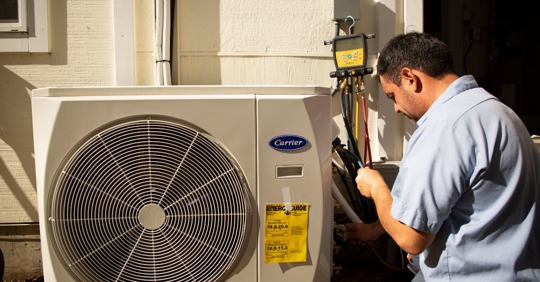
As cooler weather approaches in the Bay Area, now is the ideal time to make sure your heat pump is ready for winter performance. While heat pumps are designed to operate efficiently year-round, colder temperatures can place added demand on your system. A few smart maintenance steps can significantly reduce energy use, stabilize indoor comfort, and help you avoid mid-season breakdowns—all while extending the life of your equipment.
If you want peace of mind heading into winter, a professional inspection and tune-up is one of the best places to start. Learn how early preparation, correct system settings, and smart habits can help keep your home warm and efficient this season.
Maximizing Efficiency Before Winter
Schedule a Professional Heat Pump Check-Up
Before winter weather sets in, scheduling a professional inspection ensures your heat pump is prepared for consistent, efficient operation. During a seasonal tune-up, a certified technician evaluates essential components—thermostat calibration, refrigerant levels, electrical connections, and overall performance—to ensure everything is working properly.
During service visits, technicians also inspect key areas often overlooked by homeowners:
- Condensate drains, which can clog and cause moisture issues
- Fan blades and motors that impact airflow
- Capacitors and electrical terminals that may corrode with age
This evaluation helps prevent unexpected downtime and gives your heat pump a strong start going into colder months. To get ahead of seasonal demand, schedule your professional check-up early through our heat pump maintenance services.
Clean and Maintain System Components
A clean system is an efficient system—especially when temperatures drop. Dirt buildup on interior and exterior components makes your system work harder to produce consistent heat.
Important maintenance steps include:
- Cleaning evaporator and condenser coils to improve heat exchange
- Removing debris from outdoor units
- Ensuring the fan motor and blades are operating correctly
Air filters are particularly important. Clogged filters restrict airflow, increase energy use, and lower indoor air quality. Make it a habit to replace filters every 30-60 days, or follow the manufacturer's recommendations for specialty filters.
Keeping up with these simple maintenance tasks supports better comfort and a healthier living space. For more guidance, check our air quality services.
Seal Ductwork and Improve Insulation
Even newer heat pumps struggle to maintain warmth efficiently if heated air escapes before entering your living spaces. That's why sealing ductwork and improving insulation matter more than many homeowners realize.
Steps that make a noticeable difference include:
- Performing a duct leakage test
- Sealing gaps using mastic or professional-grade foil tape
- Adding attic or wall insulation where needed
Better insulation not only improves indoor comfort—it also reduces winter heating costs and helps your system run smoothly.
If you've recently upgraded your HVAC system but still experience uneven temperatures, consider scheduling an evaluation through our home performance and energy efficiency services.
Optimizing Heat Pump Settings for Winter Performance
Set the Thermostat Strategically
Thermostat settings play a significant role in winter efficiency. A smart or programmable thermostat helps maintain ideal temperatures while minimizing energy use.
Recommended winter settings include:
- 68–72°F during daytime use
- 62–66°F while sleeping or away
Smart thermostats adjust based on occupancy patterns and allow remote system control, helping you reduce energy waste.
For homeowners interested in better automation, our team can assist with thermostat upgrades and integration.
Select the Right Heating Mode
Heat pumps typically feature several operational modes, but winter calls for careful selection.
Best practices include:
- Using "Heat" mode for primary winter heating
- Avoiding "Emergency Heat" unless necessary
- Leaving systems in automatic fan mode instead of running continually
Emergency heat—often tied to electric resistance heating—consumes significantly more energy and should only run if your primary system isn't functioning properly. If your system frequently switches into auxiliary or emergency mode, schedule a diagnostic appointment.
Addressing Seasonal Heat Pump Issues
Understand the Defrost Cycle
Seeing frost on an outdoor unit is common—but prolonged icing isn't. Most heat pumps activate a defrost cycle several times per day to remove ice buildup.
If you notice:
- Excessive frost
- Very long defrost cycles
- No defrosting is occurring at all
It may indicate issues with sensors or refrigerant pressure. Early diagnosis can prevent long-term damage and maintain stable operation. Our technicians can help identify the source through heat pump servicing and performance testing.
Troubleshoot Reduced Heating Output
Reduced heating performance often stems from simple causes, such as blocked vents, incorrect thermostat settings, or dirty filters.
If those aren't the culprit, more complex factors may be involved:
- Refrigerant imbalance
- Coil obstruction
- Compressor strain
Addressing heating performance issues early prevents further wear and keeps operating costs low.
Watch for Noise or Operation Changes
Heat pumps typically operate quietly, so noticeable noise or vibration shouldn't be ignored. Mechanical sounds—like grinding, rattling, or squealing—often point to worn parts.
Other warning signs include:
- Unexpectedly high utility bills
- Inconsistent room temperatures
- Short-cycling or constant running
If you notice these symptoms, contact our service team for a full diagnostic assessment.
Enhancing Winter Comfort at Home
Use Supplemental Heating Wisely
During unusually cold Bay Area nights, supplemental heating can provide added comfort without overstressing your heat pump. Options often include:
- Portable electric heaters
- Zoned electric baseboard heat
Use supplemental heat selectively—typically in cooler rooms or during peak cold periods—to maintain efficiency.
Integrate Smart Home Technologies
Smart home upgrades can take your heat pump performance even further by:
- Tracking energy usage
- Automating temperature adjustments
- Allowing mobile heating control
Energy reports from smart systems also offer real insight into lowering long-term heating costs.
Go Beyond the System: Improve Home Efficiency
Winter comfort is not only about your equipment—it's also about how your home retains warmth. Consider strengthening your home's energy envelope through:
- Weatherstripping windows and exterior doors
- Adding thermal window coverings
- Installing door draft guards
Even small upgrades can noticeably improve indoor comfort.
Additionally, adopt simple habit-based energy practices:
- Let sunlight heat your home naturally
- Run larger appliances during off-peak times
- Keep interior doors open to encourage airflow
Together, these steps support an efficient heat pump and reduce seasonal utility spikes.
Call Hassler Heating and Air Conditioning As Winter Arrives
Whether you need routine maintenance, thermostat upgrades, a system diagnostic, or recommendations for improving indoor comfort, our team is here to help.
Located in El Cerrito, we proudly serve homeowners across the East Bay with advanced home electrification solutions, heat pump technology, and high-efficiency products designed for long-term savings.
Let our experts prepare your system for the colder months ahead so you can enjoy steady warmth all winter. Schedule your seasonal heat pump tune-up today: (510) 288-5563.